Air Conditioning Filters
Serving Our Community For 25+ Years
Ask about our
FREE AIR FILTER
program
Replacing Your Air Conditioning Filters
Maintaining Indoor Air Quality in Sarasota & Manatee County
Have you been noticing your air conditioning isn’t keeping the home as cool or toasty as it used to? Think you need to schedule repairs? Before budgeting for a new system, be sure to check your air conditioning filters!
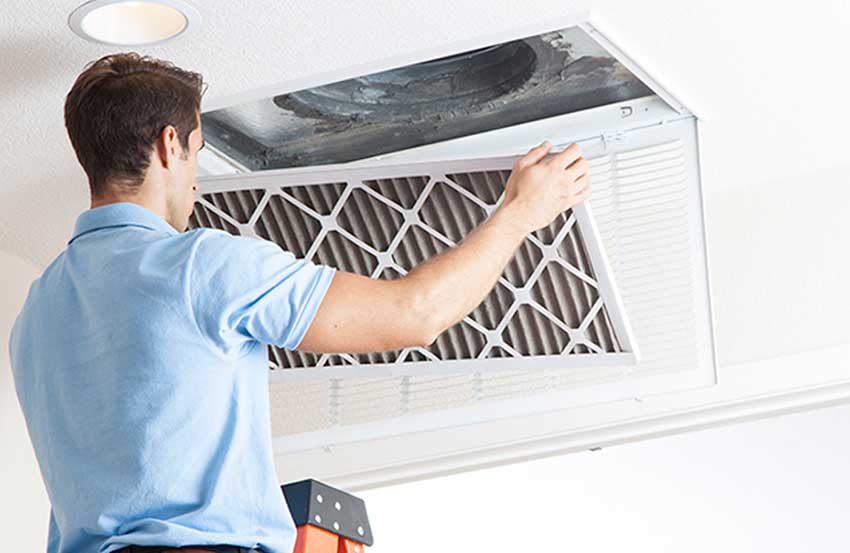
In order to maintain the quality of the air in your home, it is import to regularly clean or replace your air conditioner’s filters. By doing so, it will not only improve your indoor air quality, but it will also keep your electricity bills down as your A/C system runs more efficiently. Making sure to regularly change or clean the filter can also go a long way in improving your system’s lifespan, saving you money in the future as well.
Superior Air Conditioning Filter Services
At Airrific Air Conditioning and Heating, our EPA certified Sarasota HVAC technicians can provide fast and effective filter replacement or cleaning for your home! We can come out and take a look at your system to ensure that the best possible filters are being used. With 25 years of experience, we know how to provide our customers with results that last.
Interested in learning more? Request a free estimate today with our Sarasota HVAC services team!
Professional Quality Just a Phone Call Away
Can’t remember the last time you replaced filters? Do not to wait any longer to get them replaced or cleaned! We advise our customers to change or clean their filters every three to six months. This keeps your AC and heater running healthy and efficiently, ensuring long-term performance. You also need to make sure you are using the right type of filter, which can help improve the life of your system and minimize the amount of cleaning and replacement.
We can help you choose from the following filters:
- Disposable air filters
- Washable “electrostatic” air filters
- Pleated allergy filters
- Electronic air cleaners
- High-Efficiency Particulate (HEPA) air filters
Contact Us Now to Schedule Service: (941) 371-3355
At Airrific Air Conditioning and Heating, our certified Sarasota technicians can help you determine the best air filter for your home AC and/or heater. The sooner you act, the more savings and less repairs you will be facing! We offer free estimates, so reach out to us to get the service you need.
Ready to schedule an appointment for our HVAC services in Sarasota, FL? Contact us today!
Check Out Our Other AC Repair, Installation, and Maintenance Services
Start Saving Today!
Check Out Our Monthly Specials & Seasonal Coupons!

From discounts on service calls, to routine promotions on seasonal services, such as air conditioning maintenance, check back regularly for updates to help cut the cost of your service or repairs.
Need to speak with a technician? Give us a call at 941-371-3355!
Keeping Your Family Comfortable 365 Days a Year!
Our Customers Share Their Experiences Working With Our Experts
I highly recommend Airific as the only AC firm you should have dealings with.
I am under a Service Contract with Airific. All of their technicians are professional and never seem rushed and take the time to explain what they’re doing. Recently our AC broke down and called for service…
I was so impressed I signed a 1 year service agreement!!
What a remarkable service call I had with Airrific!!!! Brody is polite, knowledgeable, meticulous, and able to get service done in and out of the house, while keeping his working area CLEAN!…