
Why Does My AC Smell Musty? (And How to Fix It)
If your AC smells musty, moldy, or like a damp towel every time it starts, don’t ignore it. While the odor may seem like a minor nuisance, it often signals excess moisture, biological growth, or humidity issues somewhere in your HVAC system—or even elsewhere in your home.
Living on Florida’s Suncoast means your air conditioner works hard practically year-round. But when you turn on your AC expecting a breeze of crisp, cool air and instead get hit with a damp, dirty-towel odor, it’s a sign your system needs attention. HVAC professionals often refer to this odor as “Dirty Sock Syndrome” because the smell resembles old gym socks or damp laundry. Although the name is humorous, the underlying causes deserve prompt attention.
Routine preventive maintenance is one of the most effective ways to prevent musty odors. During a professional AC tune-up, technicians inspect the condensate drain, clean critical components, verify proper drainage, and identify humidity problems before they become noticeable inside your home.
Why Florida Homes Experience Musty AC Odors More Often
Because air conditioners in Sarasota, Bradenton, and Venice run for much of the year, evaporator coils remain damp almost continuously. Combined with Florida’s high humidity, this creates ideal conditions for biological growth if routine maintenance is neglected.
According to the U.S. Centers for Disease Control and Prevention (CDC), mold exposure may aggravate allergies and respiratory symptoms in sensitive individuals.
Here is why your AC smells musty, what you can do about it, and how to stop it from coming back.
4 Common Reasons Your AC Smells Musty
When your AC smells earthy, stale, or moldy, moisture and organic dust are almost always colliding inside your system.
1. Clogged Condensate Drain Line
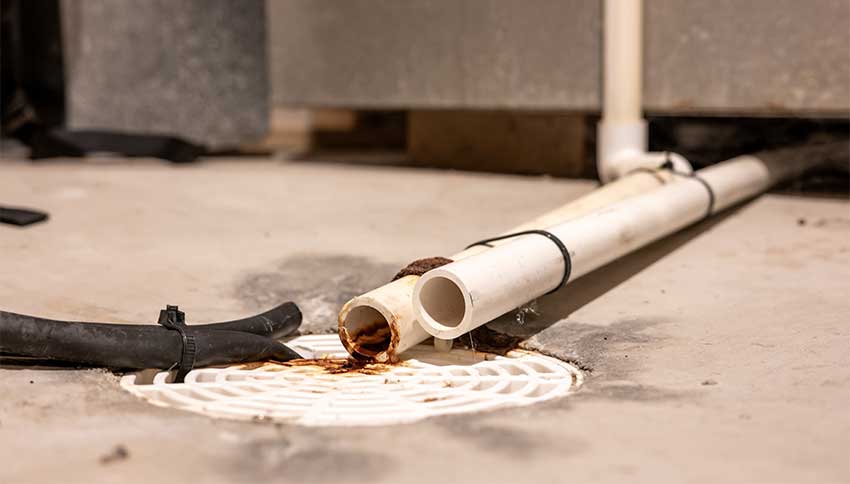
Your AC doesn’t just cool your home; it acts as a high-powered dehumidifier. Moisture pulled from your indoor air drips into a drain pan and flows out through a PVC line. In humid cities like Sarasota and Bradenton, algae, mold, and debris can easily build up inside that line, causing standing water to back up and the air to smell stale.
2. Biological Growth on the Evaporator Coils
Your indoor evaporator coil stays cold and damp while running. When dust particles bypass your air filter and land on those wet coils, it creates the ideal breeding ground for mold and mildew. As air passes over the coils, it carries that musty scent into every room.
3. Mildew in the Ductwork
If your ducts have leaks or poor insulation, hot attic air mixes with cold duct air, causing condensation to form inside the duct walls and leading to unseen mildew growth.
4. Oversized AC System (Short-Cycling)
If your AC unit is too large for your square footage, it will cool your home quickly and shut off before completing a full dehumidification cycle. The result is cold, clammy air and high indoor humidity that create conditions that make mold and mildew more likely to develop throughout the system and home.
What You Can Do (DIY Fixes)
Before calling a technician, try these simple maintenance steps:
Beyond the AC: Other Causes of Musty Odors in Florida Homes
What if you checked your filter, cleaned your drain line, and your AC unit gets a clean bill of health, but that stubborn, earthy smell is still lingering in your house?
Because Southwest Florida frequently sees humidity levels above 70–80%, moisture can easily settle into other areas of your home. If your AC isn’t the primary source, look for these common culprits:
1. Excess Indoor Humidity (Above 50–55%)
According to the Environmental Protection Agency (EPA), one of the common reasons for mold growth is high humidity (a level of 60% relative humidity)
Even if your air conditioner is running fine, Florida summers often push more moisture into your home than a standard cooling system can remove on its own. High humidity makes soft surfaces such as carpets, drapes, upholstered furniture, and mattresses absorb moisture and trap stale odors.
2. Hidden Plumbing Leaks & Wall Moisture
Small leaks behind drywall, under sinks, or beneath laundry appliances can create localized pockets of mold growth. Because your AC continuously recirculates indoor air, it will pick up those odors and spread them into every room, making it seem like an AC problem.
3. Wet Bathrooms or Poor Ventilation
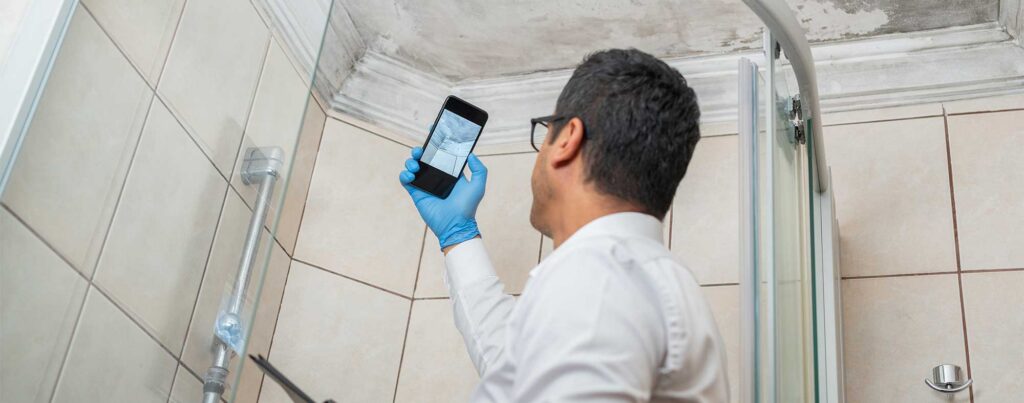
Exhaust fans in bathrooms and kitchens play a major role in removing moist air before it settles. If bathroom fans are clogged, undersized, or not left on long enough after hot showers, steam turns into mildew on ceilings and walls.
4. Leaky Windows and Sliding Glass Doors
Suncoast storms can drive water into window tracks or damaged weatherstripping. Moisture trapped in window sills or behind curtains quickly starts to smell damp and moldy.
When to Call the Pros at Airrific
If changing the filter and flushing the drain doesn’t eliminate the smell, the buildup is likely deep inside your coils or ductwork where off-the-shelf sprays can’t safely reach.
At Airrific Air Conditioning and Heating, we provide specialized solutions to keep your indoor air fresh and clean across Sarasota and Manatee Counties:
Need Help Clearing the Air in Your Home?
Family-owned and operated since 2008, Airrific Air Conditioning and Heating has helped homeowners throughout Sarasota, Bradenton, and Venice solve stubborn humidity, airflow, and indoor air quality problems. Our experienced technicians identify the true source of musty odors instead of simply masking the symptoms.
If your AC smells musty, don’t wait for the odor to get worse. Airrific’s experienced technicians can identify whether the problem is coming from your evaporator coil, condensate drain, ductwork, or excess indoor humidity and recommend the right long-term solution. Whether your system needs professional maintenance service, UV air purification, or humidity control, we’ll help restore fresh, healthy air to your home.
Contact Airrific Air Conditioning and Heating today to schedule your indoor air quality inspection.